Nepal floods: UN Women estimates ‘43,000 women and girls need immediate humanitarian assistance’

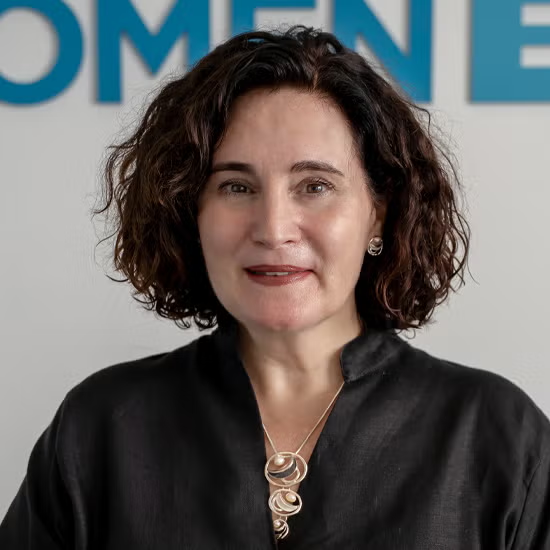
Dhangadhi / UN Women Regional Director for Asia and the Pacific Christine Arab remarked that ‘estimated 43,000 women and girls need immediate humanitarian assistance following flash floods on 26 August 2026’ at a press briefing in Geneva, today.
Ms. Arab told “today, I want to describe what this disaster looks like through the eyes and experiences of the women and girls affected, including the perspectives of the women-led organizations on the ground.”
She quoted what one such organization told to them: “in so many of the communities we have been to – pregnant women, lactating women, people with disabilities, the people we would normally support – are gone, washed away, because they could not run to higher ground.”
She mentioned “this is what happens when a disaster meets inequality: the people already left behind are often the first to be swept away.”
“Our partners on the ground stress that women survivors are running out of food, that safe water is increasingly inaccessible, that protection risks are growing and that women risk being excluded from the decisions that will shape the response and their recovery,” she informed.
She further told to media, “we know that for women and girls in Rasuwa district, collecting water already meant travelling long distances and spending hours each day securing water for their families. Now, women are telling us that access to safe water has been cut off altogether, following the destruction of water systems, roads, and bridges.”
According to her, women in the worst-affected areas told them that ‘food is their most urgent priority right now.’
“Disasters also increase risks of gender-based violence, exploitation, and trafficking, while damaged infrastructure and communications can make it harder for survivors to seek help and to access protection services. An estimated one in three women are illiterate in some of the impacted districts, making awareness and access to essential services more challenging.” She mentioned.
“When there are no separate or safe latrines, adequate lighting or privacy, women and girls can face risks simply when using the toilet, bathing, sleeping, or moving around after dark,” she warned.
“With male out-migration common, one in three households is headed by women in the impacted areas. Women who manage households on their own have fewer resources, income opportunities, and support networks to draw on in a crisis. They must be able to access relief and recovery assistance independently and without additional barriers,” she suggested.
She also talked about the women and girls access to essential services and protection, recognization and address to the unpaid care work in the impacted communities, and equal participation of women and women-led organizations in humanitarian and recovery decision-making – within the Government of Nepal’s overall response and recovery.
She concluded with her final remarks: “the humanitarian response must recognize the experiences of women and girls. It must reach them and it must include them as key drivers in Nepal’s recovery.”
Earlier this week, UN Women suggested that an estimated 157,050 women and girls living in Nepal’s Rasuwa and Nuwakot districts have been directly and indirectly affected by flash floods that swept through communities on 26 August 2026.
“The full scale of these horrific floods is still emerging”, said Patricia Fernandez-Pacheco, UN Women Representative to Nepal. “What we do know is that existing risks for women and girls skyrocket when disasters hit. More women and girls are exploited and abused. More women and girls go hungry and without medicine when resources are scarce. There is even evidence from previous disasters to suggest women are more likely to die than men.”
UN Women is urgently appealing for USD 2 million to ensure women and girls affected by the floods can access the assistance and protection they need, including those who are displaced, or at heightened risk of violence, trafficking, and exploitation.
“We urgently need resources to reach women and girls who are cut off, at risk and struggling to meet their most basic needs. A response that meets the needs of women and girls can help prevent further harm and ensure women and girls are able to recover with safety, dignity and agency”, said Fernandez-Pacheco.
Disaster description: Nepal Flash Floods – Aug 2026
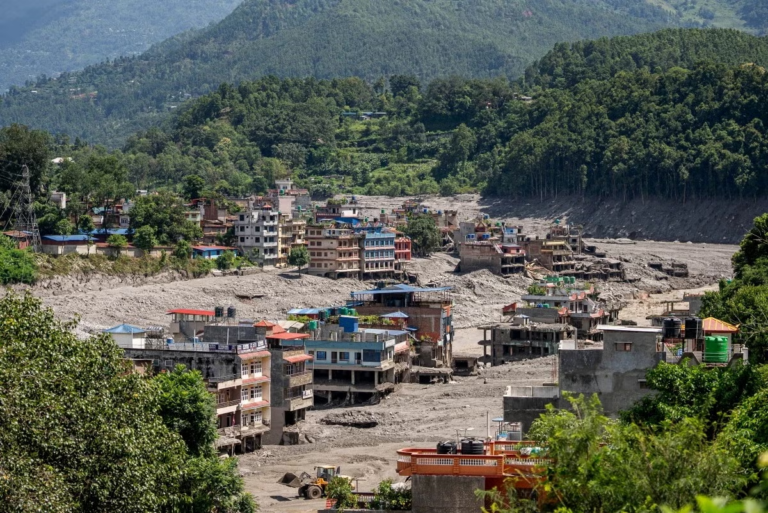
A major flash flood struck Rasuwa district after a sudden and intense surge of water entered the Bhote Koshi River at approximately 9:15 AM [on 26 August 2026]. The flood rapidly impacted the Timure, Rasuwagadhi, and Syabrubesi areas, causing significant damage to settlements, markets, police infrastructure, roads and hydropower facilities. Authorities have warned that rising water levels could affect downstream communities along the Trishuli River corridor.
According to the National Disaster Risk Reduction and Management Authority (NDRRMA), 10,000 households require immediate relief. At least 157 deaths have been confirmed and nearly 245 people remain missing, including security personnel, customs officials, foreign tourists and residents, while search and rescue operations continue.
Five days after the flash flood of the Trishuli River swept through Raswuwa, Nuwakot and Dhading, the Government of Nepal’s response efforts continue at scale, with more than 10,000 people rescued and over 20,000 personnel mobilised for search and rescue operations, while authorities report 903 fatalities and 4,247 people still missing. The Government has officially declared a flood emergency in 15 municipalities and designated two additional municipalities as impacted, underscoring the scale of humanitarian needs across the affected areas.
Appeals and Response Plans
IFRC has recently issued an Emergency Appeal. According to the appeal, immediate priorities include search and rescue, emergency shelter, safe drinking water, health services, psychosocial support, relief items, and restoring access to isolated communities. Significant information gaps remain regarding the full extent of displacement, housing damage, and affected populations. However, preliminary reports indicate severe impacts on livelihoods and heightened protection concerns, particularly for vulnerable groups, including women, children, older people, and persons with disabilities. With monsoon conditions continuing and concerns over potential secondary flooding, landslides and river blockages, the operational environment remains highly dynamic, and further deterioration of humanitarian conditions is possible in the coming days.
“Based on a reference by: reliefweb