
Cutbacks in UN peacekeeping missions: Both a challenge and an opportunity for Nepal

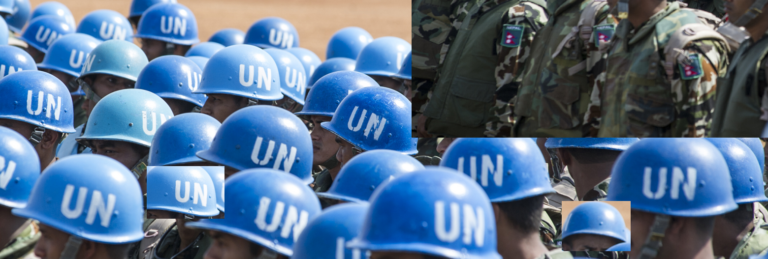
Dhangadhi, October 14/ The United Nations has decided to cut its global peacekeeping missions by 25 percent due to financial constraints, which is expected to have an impact on major military contributing countries like Nepal.
The UN’s decision to cut the peacekeeping budget by about 15 percent this year, following a decline in funding from the main donor, the United States, has resulted in a reduction of about 14,000 troops and police, affecting missions operating in nine countries, including Congo, South Sudan, the Central African Republic, Lebanon, Cyprus and Kosovo.
Nepal is one of the world’s largest peacekeeping contributors, with about 6,000 troops and police deployed to missions. Since deploying five military observers to Lebanon in 1958, Nepal has contributed more than 150,000 peacekeepers to dozens of missions. Dozens of brave peacekeepers have also been martyred in the line of duty.
Currently, around 6,000 Nepalese peacekeepers are deployed in various missions around the world, which has given Nepal diplomatic benefits as well as recognition and place on the world stage. The subsequent reduction in UN military strength is likely to affect Nepal’s diplomatic benefits and a major pillar of its historical international identity built over decades.
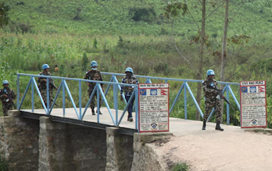
This budget and troop reduction is likely to reduce the opportunities for Nepali soldiers and police to gain international skills and experience in the future, as well as the annual financial benefits they receive in the form of their allowances and other benefits to the country. In addition, it is important to be aware that this reduction in deployment may also lead to a decline in Nepal’s diplomatic presence and influence.
While this budget and troop reduction is a challenge, it could also be a significant opportunity for Nepal to transform its role in global peacekeeping missions. What is important to understand is that the era of competing solely on the basis of numbers, ‘sending more peacekeepers’, is coming to an end. Instead, Nepal must transform itself into a country that provides high-quality leadership, leveraging its identity, experience, connections and reputation.
By strategically focusing on deploying specialized units such as doctors, engineers, women’s teams or Artificial Intelligence experts, Nepal can maintain its influence and remain an indispensable partner for the UN. Because even with massive reductions in military forces, the demand for such specialized capabilities is unlikely to diminish.
For such opportunities, Nepal will have to continue to strive to maintain its participation through active dialogue and increased diplomatic initiatives through the Ministry of Foreign Affairs and the Ministry of Defense. On the other hand, training programs for foreign military and police engaged in peace missions can also be run, utilizing the experience and learnings of returning peacekeepers.
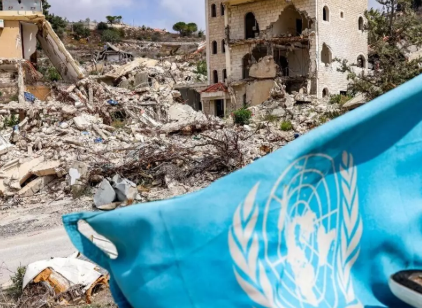
In addition, Nepal should expand its role not only in military missions, but also in areas such as mediation, reconstruction, and peacebuilding. Strengthening the disaster management and emergency response capabilities of the military and police could be another alternative strategy that would help maintain their international role.